


Family and friends need education about addiction recovery. Professional counselors offer specialized addiction expertise. Individual counselling helps develop personalized coping strategies and addresses underlying issues driving your alcohol marijuana addiction use. Place motivational books, exercise equipment, or healthy snacks where you previously kept alcohol. Your surroundings should support your goals, not sabotage them.
- Calculate previous weekly alcohol spending and track money saved.
- It is very wise to seek medical assistance to detox to prevent harmful complications.
- If you put down the bottle for 30 days, but you slip up and have a drink on day 31, this doesn’t undo the 30 days before.
- Alcohol can exacerbate pre-existing mental health conditions, such as anxiety and depression.
- “Try doing a ‘dry’ month like Dry January, Go Dry for July or Sober October,” says Moore.
Alcohol Withdrawal Timeline: What Happens to Your Body When You Quit Alcohol?
Cravings can be triggered by stress, social settings, or habits, but developing healthy coping mechanisms can help resist urges. Seeking support from family, friends, or peer groups provides encouragement, accountability, and emotional stability. Having trusted individuals involved in your journey reduces stress and reinforces commitment. Building a strong support system and creating a structured plan for managing triggers increases the chances of long-term sobriety.
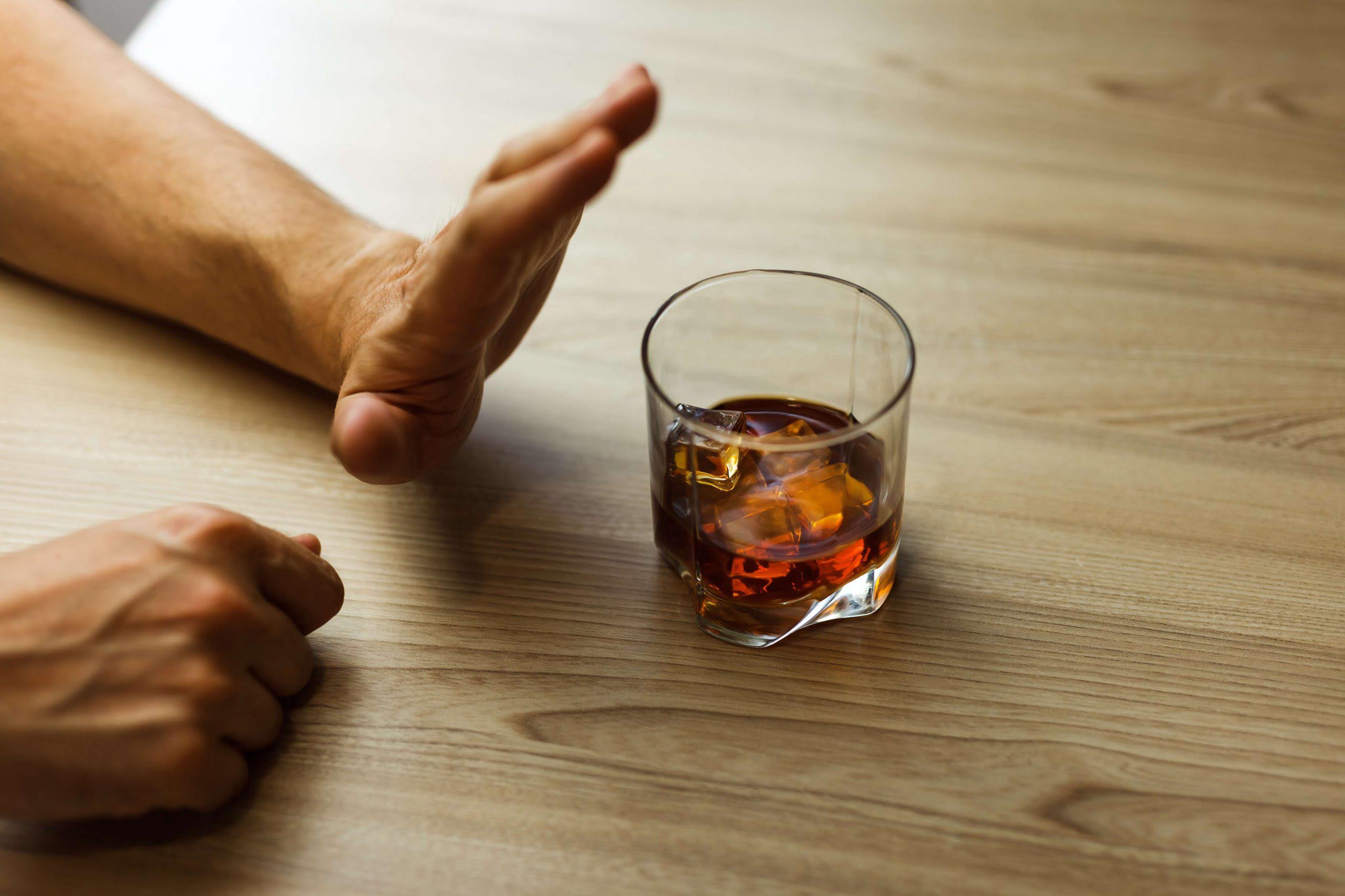
Set Clear, Achievable Goals and Motivations
Most of this inflammation will be gone by your fourth week of abstinence. While any scarring caused by liver inflammation (called cirrhosis) will be permanent, the effects of inflammation itself will be almost completely resolved by week four. The peak of withdrawal often occurs after about 48–72 hours after your last drink.

The 6 Stages of Mental Health Recovery
- The following quiz should not be interpreted as a medical diagnosis or medical advice.
- For example, those who drink more heavily may need more time to taper than those who drink less alcohol.
- Withdrawal will be nothing more than an unpleasant memory.
- You can start setting a clear goal that provides you with direction and motivation.
Creating new routines helps replace drinking habits with healthier, more fulfilling alcoholism activities. Engaging in exercise, hobbies, mindfulness, and socializing without alcohol makes the transition to sobriety easier. Evening routines, such as herbal tea, journaling, or relaxation exercises, help unwind without alcohol. Keeping a sobriety journal tracks progress, identifies triggers, and reinforces positive changes. Writing down daily experiences and celebrating milestones strengthens commitment. Replacing alcohol with purposeful activities supports long-term sobriety and improves overall well-being.
This Is The Starting Point
I used to be a heavy drinker, but eventually, I got tired of the https://wild77.org/why-does-red-wine-or-white-wine-give-me-a-headache/ hangovers and dealing with the embarrassment of my drunken behavior. We all become conditioned to have certain responses to triggers throughout our lives. It’s normal for certain stimuli to cause a reaction in your mind and body without even being aware of it.
See yourself as a person who doesn’t drink
New habits create a sustainable, alcohol-free lifestyle. If you are a heavy/frequent drinker, quitting suddenly can lead to drastic alcohol withdrawal symptoms. Hence, it helps to slowly cut back to avoid severe withdrawal effects and ease into the process.
The Recovery Village Cherry Hill at Cooper
Your current insurance benefits could reduce your upfront costs. Verify your insurance today – treatment could be more affordable than you think. Celebrate milestones with rewards supporting recovery goals. Plan special meals, purchase wanted items, or engage in joyful experiences without compromising sobriety. Journal writing processes emotions and identifies patterns. Record daily moods, triggers, successful strategies, and challenges.
