
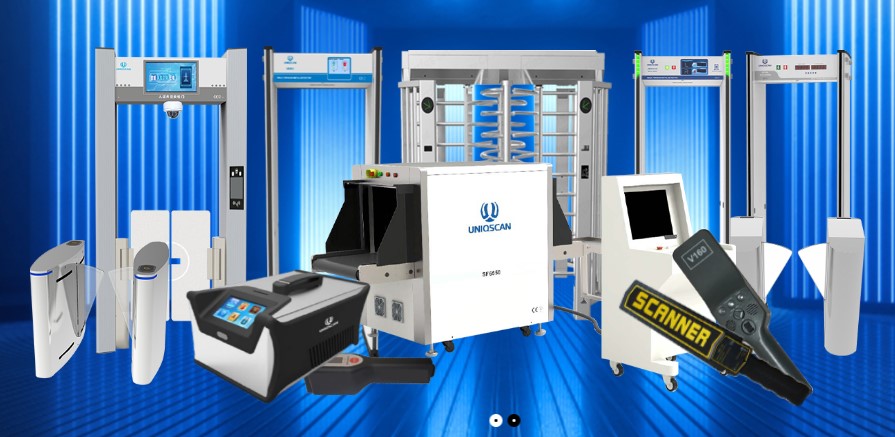
Walk Through Metal Detectors Pakistan - Your Complete Security Screening Guide
Walk through metal detectors evolved from early electromagnetic detection technology developed in the 1960s. Originally used primarily in airports and prisons, they’ve now expanded into schools, corporate buildings, and entertainment venues. Modern models feature advanced multi-zone detection, smart connectivity, and AI-enhanced accuracy – a far cry from their simple single-zone predecessors!
With security concerns continuing to evolve in 2025, these devices have become essential tools across countless industries. Let’s dive into everything you need to know about walk-through metal detection systems!
What Are Walk Through Metal Detectors?
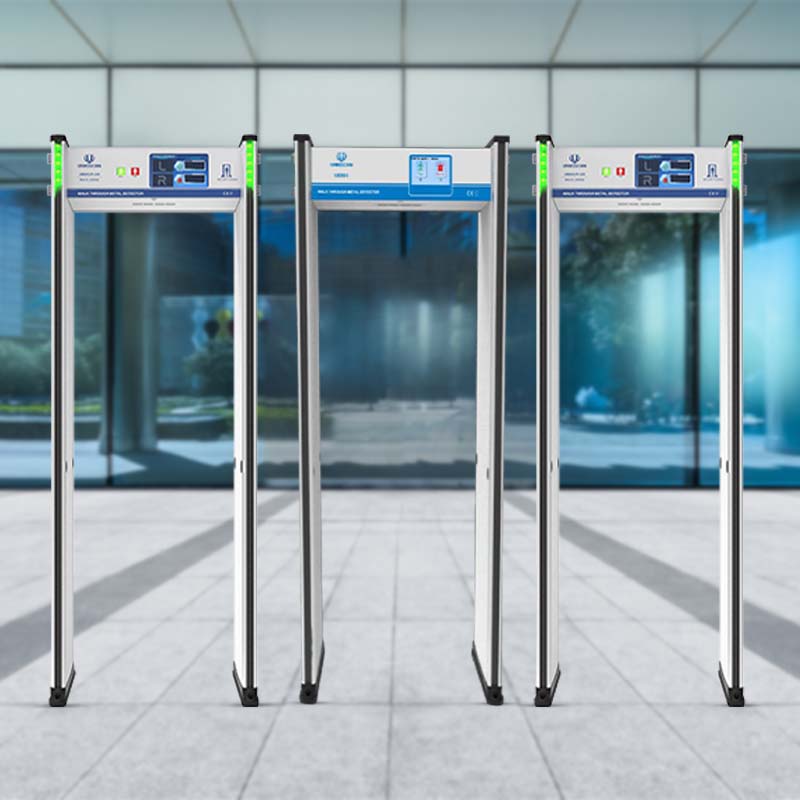
Walk-through metal detectors are sophisticated security screening devices that create an electromagnetic field within a doorway-like frame. When someone passes through carrying metal objects, the device detects disturbances in this field and triggers an alert. Think of it as an invisible security guard that never takes a break!
How They Differ from Handheld Metal Detectors:
- Speed: Process multiple people per minute vs. individual screening
- Consistency: Automated detection vs. operator-dependent accuracy
- Coverage: Full-body scanning vs. targeted area checking
- Efficiency: Hands-free operation vs. manual handling required.
Uniqscan Walk Through Metal Detectors Pakistan
We offer a comprehensive range of Walk Through Metal Detectors designed to enhance security and safety in various settings. Our detectors are meticulously crafted with advanced technology to efficiently detect any metal objects as individuals pass through them.
Whether it's for airports, stadiums, or public buildings, our detectors provide reliable performance and peace of mind. With a customer-centric approach, we prioritize your safety & strive to create a secure environment.
Explore our selection of Walk Through Metal Detectors & experience the utmost in security
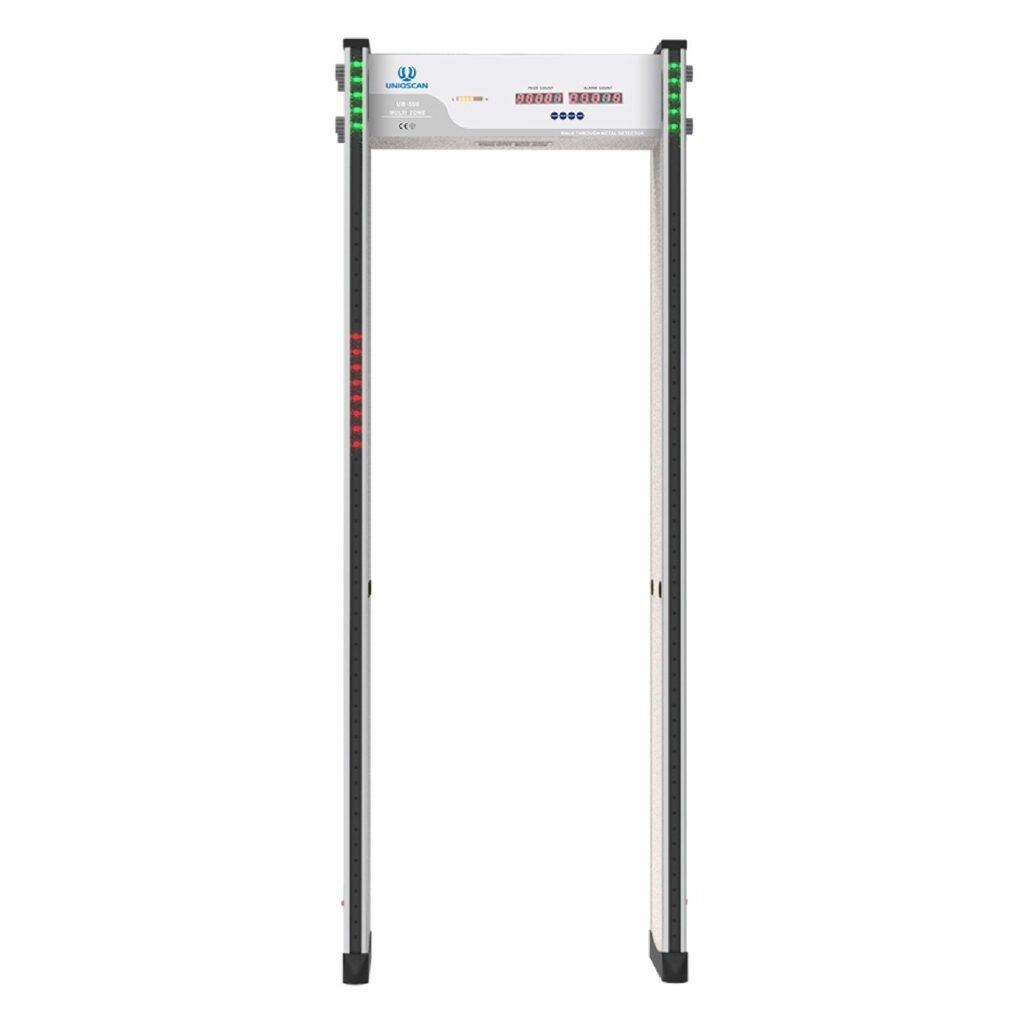
Walk Through Metal Detector UB 500
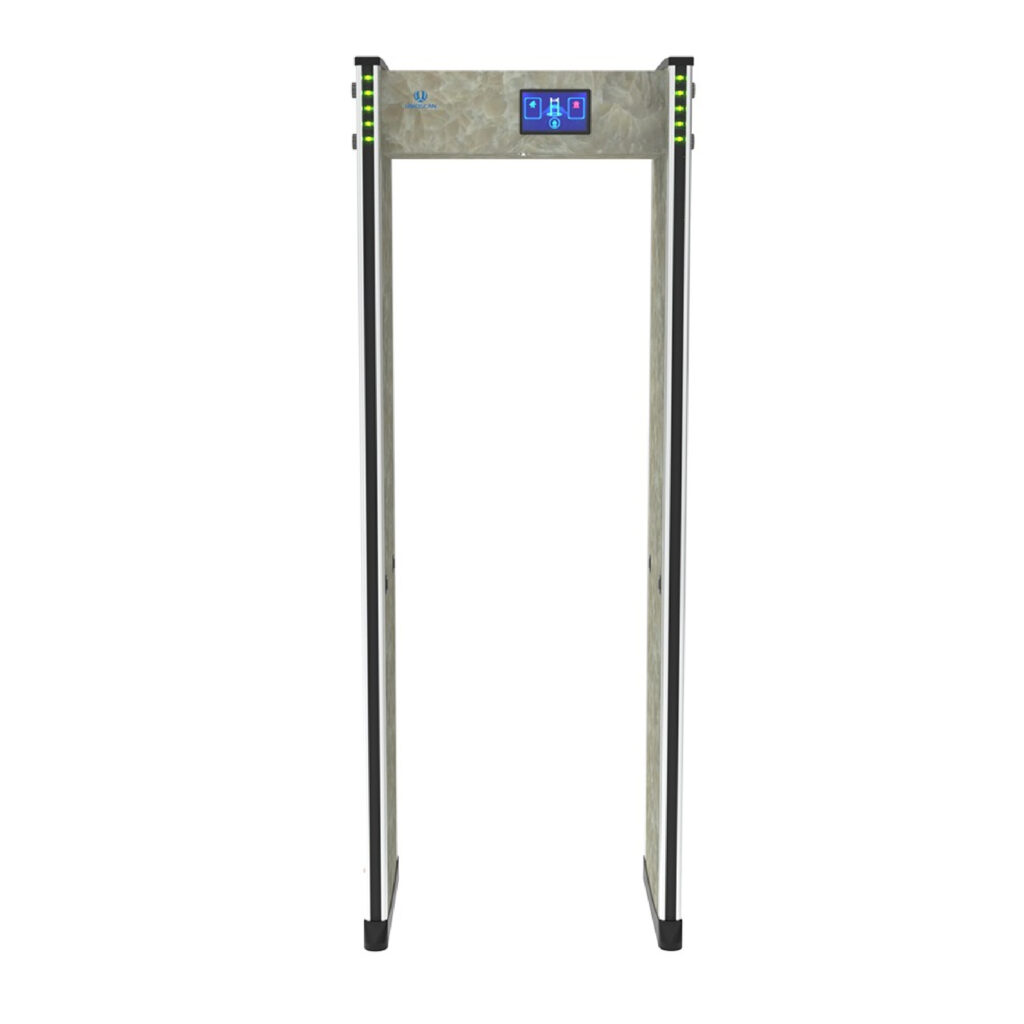
Walk Through Metal Detector UB 500 PLUS
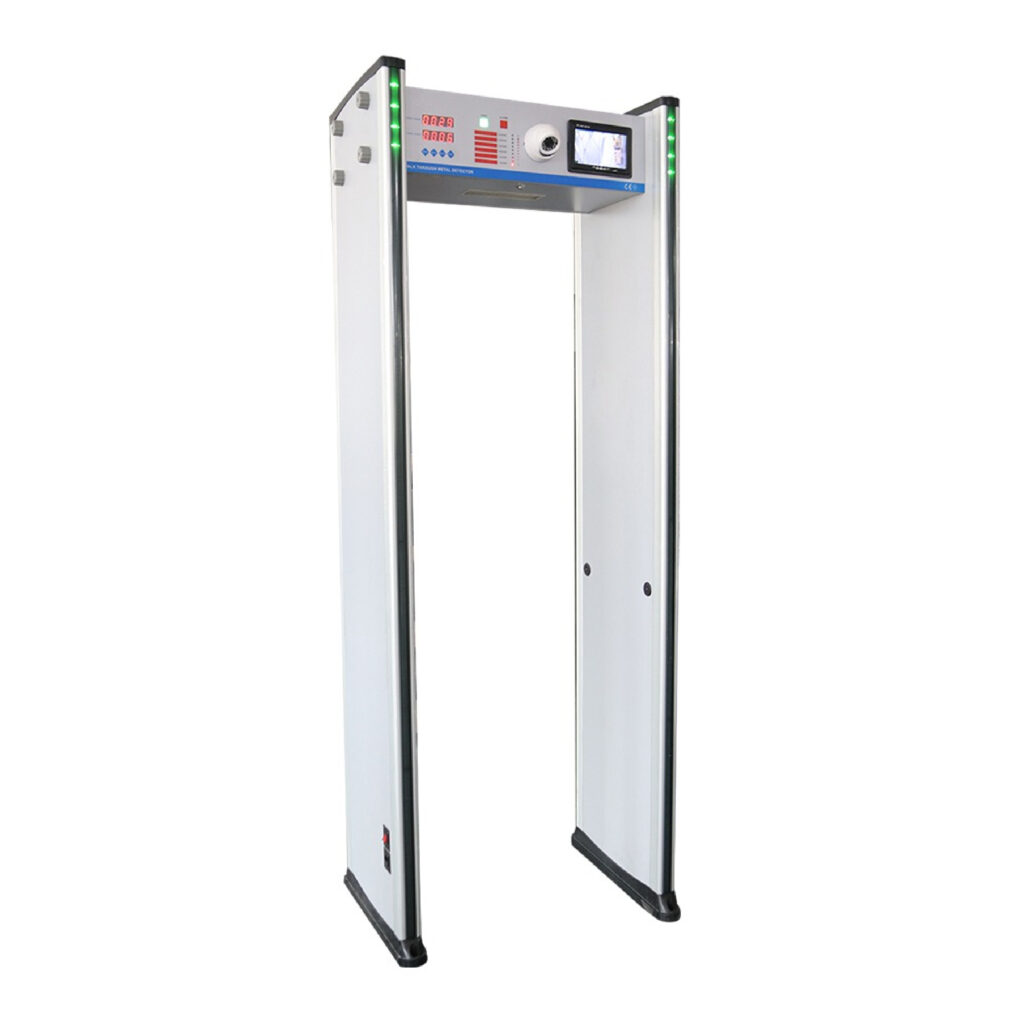
Walk Through Metal Detector UB 500 CCTV
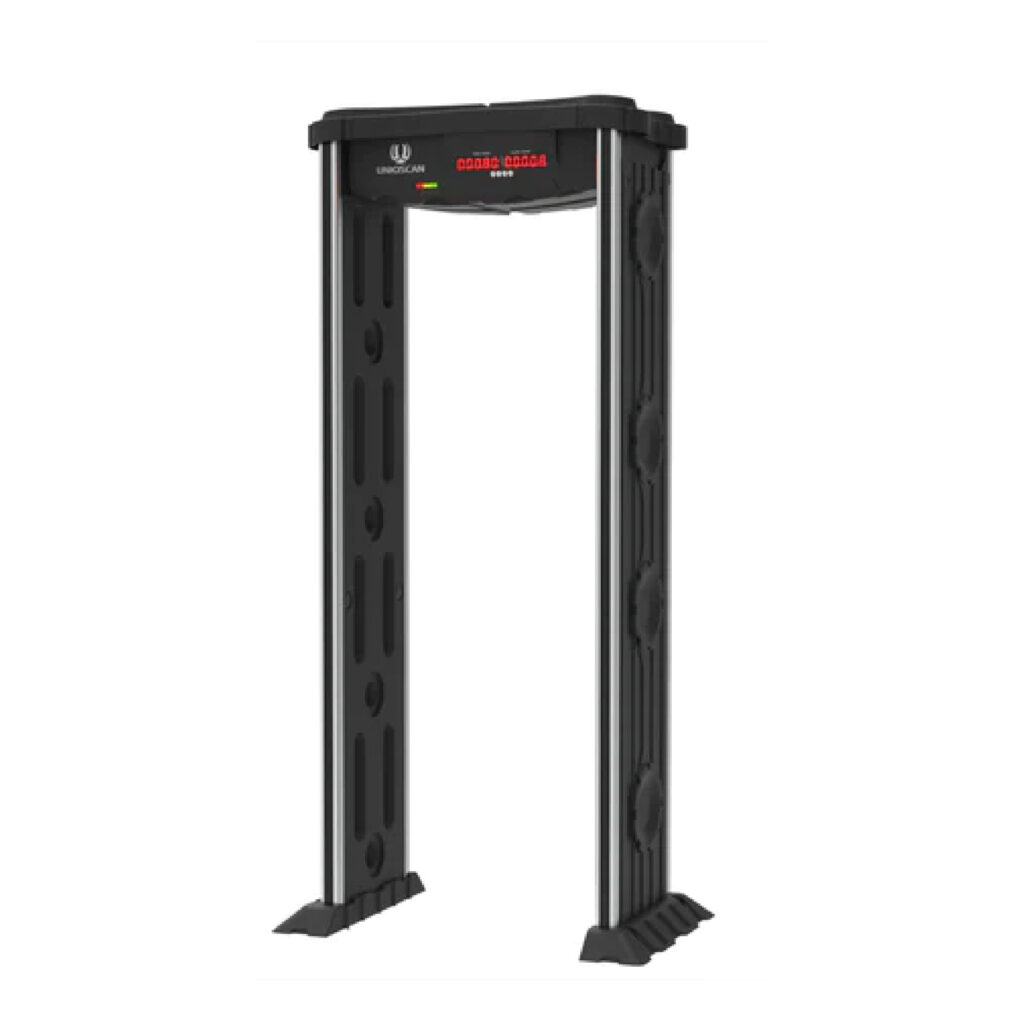
Walk Through Metal Detector UM 500
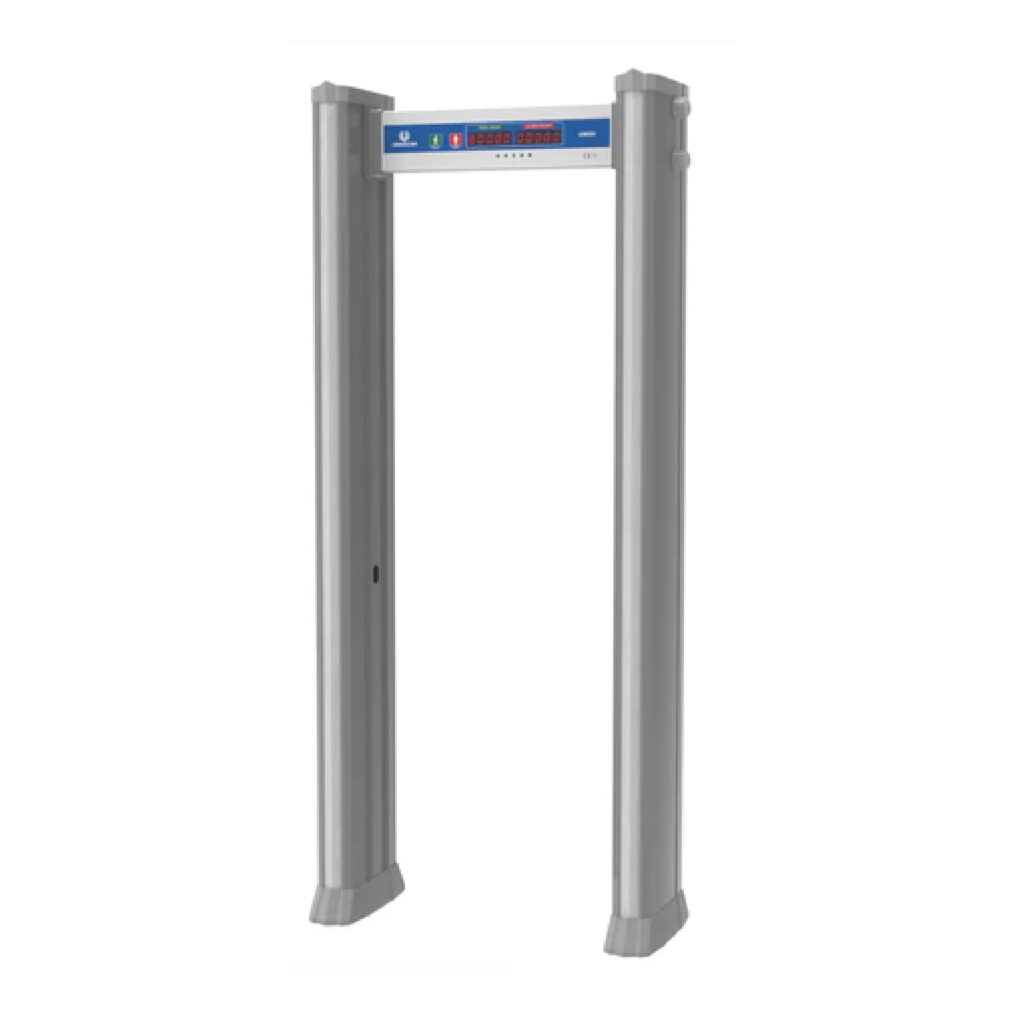
Walk Through Metal Detector UM 600
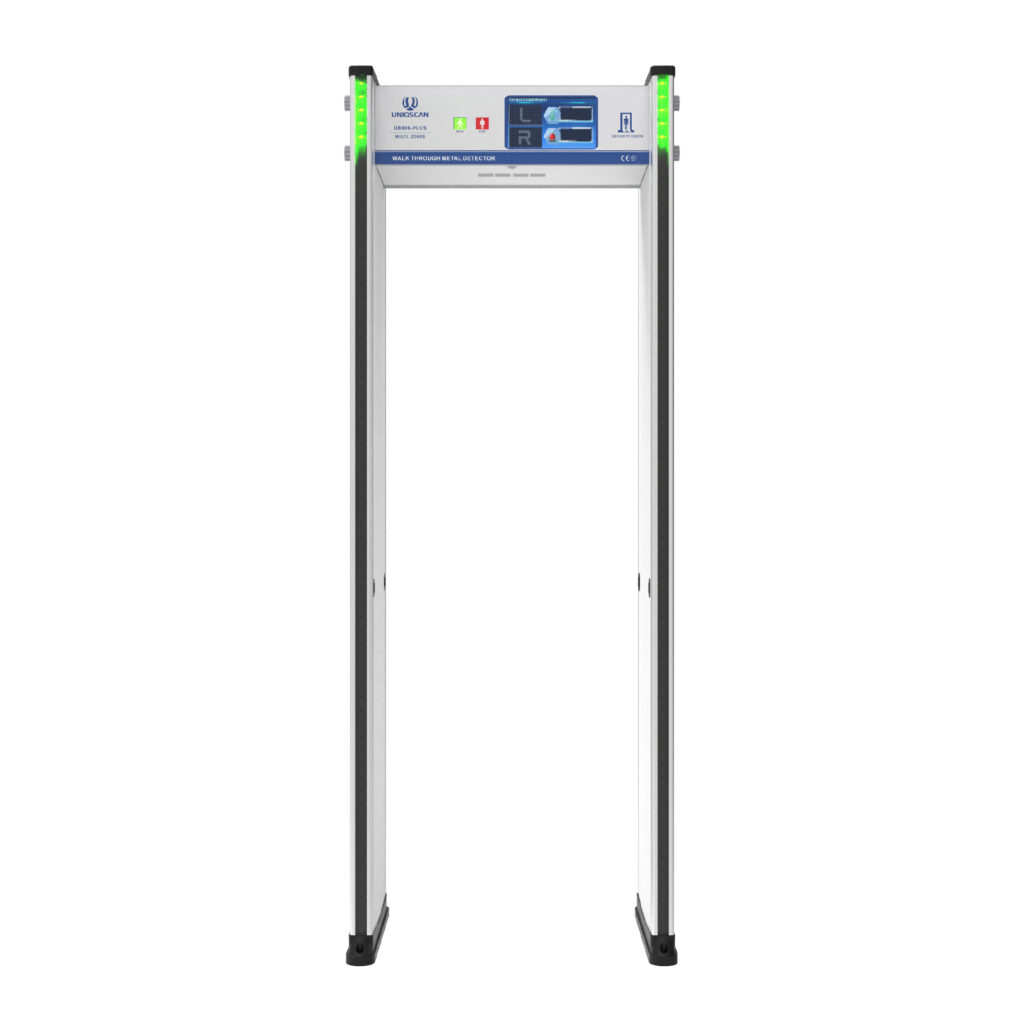
Walk Through Metal Detector UB 800
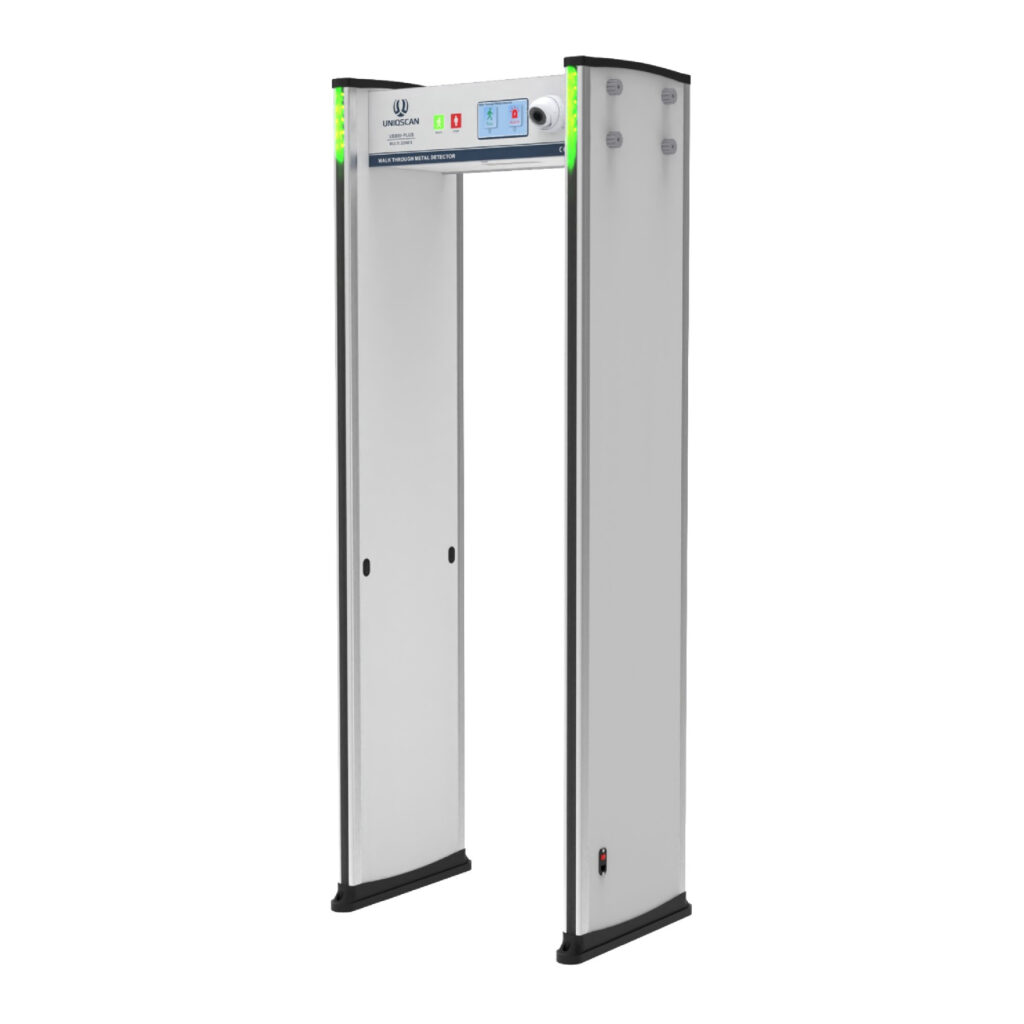
Walk Through Metal Detector UB 800 CCTV
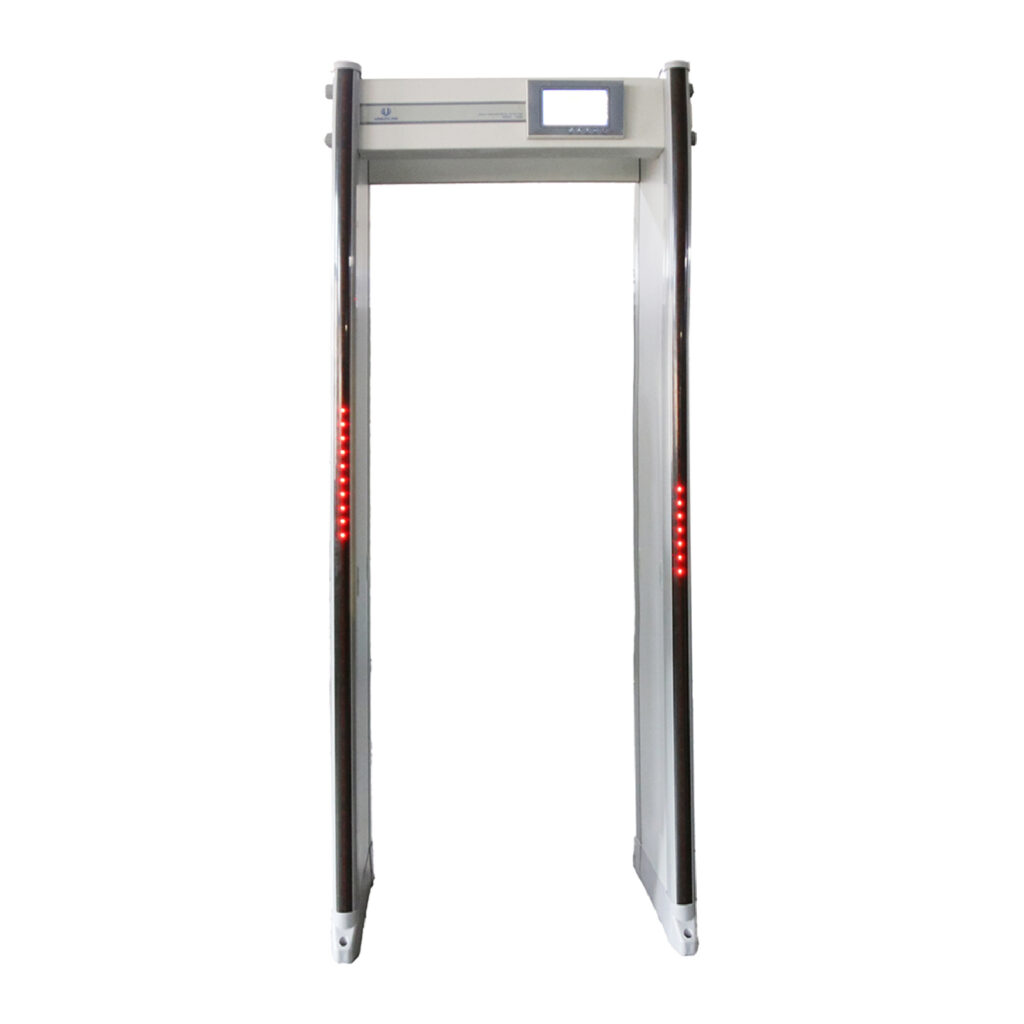
Walk Through Metal Detector UZ 800
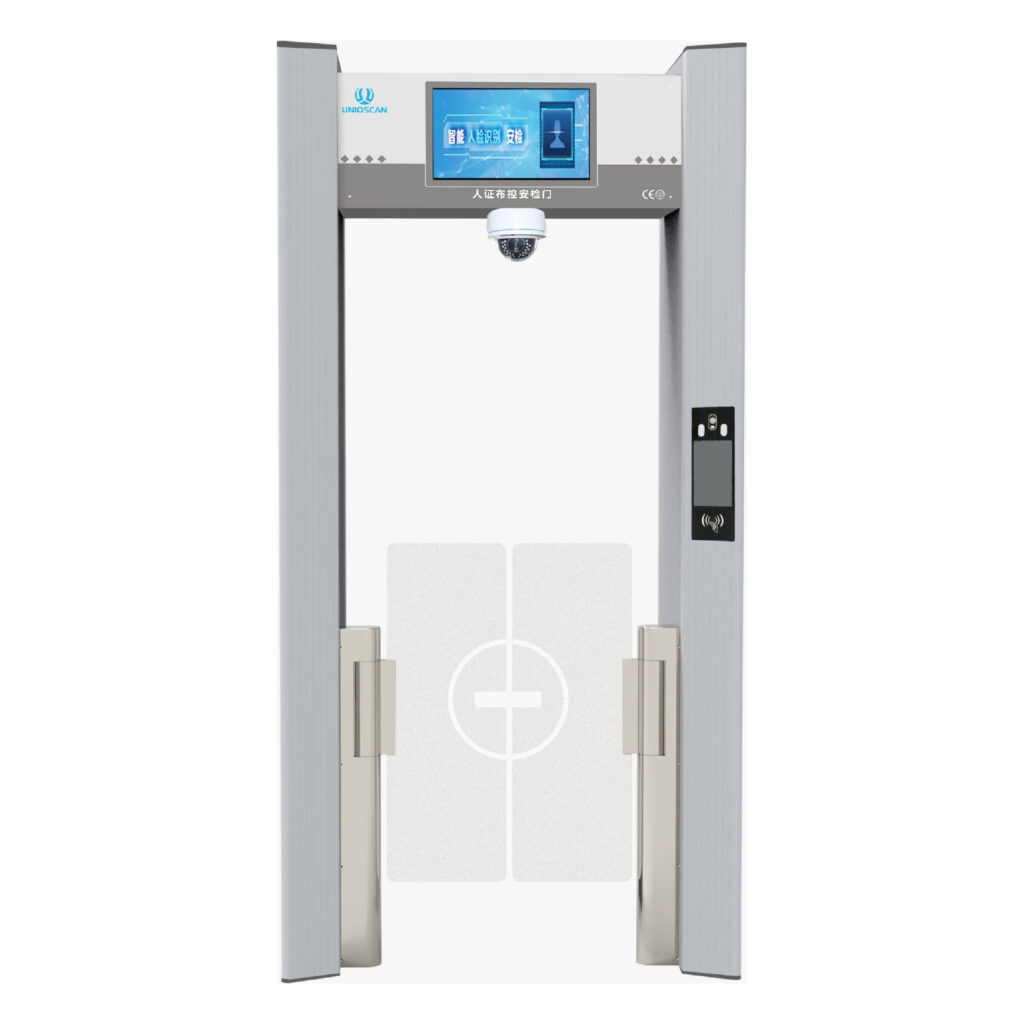
Walk Through Metal Detector UZ 900
Industries & Applications
Schools & Educational Facilities
Student safety is paramount, and walk-through metal detectors provide a non-intrusive way to screen for weapons while maintaining a welcoming educational environment. Many districts have implemented these systems as part of comprehensive safety protocols.
Corporate Buildings
Modern offices use metal detectors to protect employees and sensitive information. They're particularly valuable in buildings housing government contractors, financial institutions, or technology companies.
Event Venues
From concert halls to sports stadiums, large venues rely on efficient screening to process thousands of attendees quickly. The right detector can mean the difference between smooth entry and frustrating bottlenecks.
Government Buildings
Courthouses, municipal offices, and federal buildings require robust security screening. These environments often need the highest sensitivity levels and most reliable performance.
Healthcare Facilities
Hospitals and clinics use metal detectors to prevent weapons from entering patient care areas while accommodating medical devices and equipment that patients may carry.
Transportation Hubs Such as Airports
Beyond airports, train stations and bus terminals increasingly use walk-through detectors to enhance public safety and security.
Key Features to Look For 🔧
Detection Sensitivity Levels
Modern detectors offer adjustable sensitivity settings. Higher sensitivity catches smaller metal objects but may increase false alarms from belt buckles or jewelry. Lower sensitivity reduces false positives but might miss smaller threats.
Pro Tip: Many facilities use moderate sensitivity during regular hours and higher sensitivity during special events or elevated threat levels.
Throughput Capacity
This measures how many people can pass through per minute. Standard models handle 20-30 people per minute, while high-traffic models can process 40+ people per minute. Consider your peak traffic times when selecting capacity.
Zone Detection Capabilities
- Single-zone: Basic detection without location specificity
- Multi-zone: Pinpoints where metal was detected (head, torso, legs, etc.)
- Advanced systems: Up to 33 detection zones for precise location identification
Weather Resistance
Indoor models work great for controlled environments, but outdoor installations need weatherproof housing, temperature tolerance, and moisture protection. Look for IP65 or higher ratings for outdoor use.
Power Requirements
Most detectors require standard 110V power, but many now include battery backup systems for uninterrupted operation during power outages. Some portable models run entirely on rechargeable batteries.
Connectivity Features
Modern systems integrate with:
- Access control systems
- Video surveillance
- Alarm monitoring
- Mobile device alerts
- Central security management platforms
User Interface
Look for clear LCD displays, intuitive controls, and both visual and audio alert systems. The best interfaces are simple enough for any staff member to operate effectively.
Benefits & ROI
Enhanced Security and Peace of Mind
The primary benefit is obvious - dramatically improved security screening capability. Staff, visitors, and stakeholders feel safer knowing comprehensive screening is in place.
Deterrent Effect
Visible metal detectors discourage potential threats before they even attempt to enter. This psychological deterrent effect is often as valuable as the actual detection capability.
Regulatory Compliance
Many industries now require or strongly recommend metal detection screening. Having proper systems in place ensures compliance with industry standards and regulations.
Cost-Effectiveness
While the initial investment ranges from $3,000 to $15,000+ depending on features, this often costs less than hiring additional security personnel over time. A single detector can replace multiple security guards.
Insurance Benefits
Many insurance providers offer premium reductions for facilities with proper security screening systems. The liability protection and risk reduction can result in significant long-term savings.
Installation & Setup Considerations
Space Requirements
Standard walk-through detectors need:
- Width: 24-30 inches clear passage
- Height: 7-8 feet clearance
- Depth: 3-4 feet on each side for proper electromagnetic field
- Foundation: Level, stable surface (concrete preferred)
Electrical Needs
Most systems require:
- Dedicated 110V/220V circuit
- Proper grounding
- Surge protection recommended
- Battery backup consideration for critical applications
Calibration and Sensitivity
Initial calibration involves:
- Setting baseline electromagnetic field readings
- Adjusting sensitivity for your specific environment
- Testing with various metal objects
- Fine-tuning to minimize false alarms
Important: Environmental factors like nearby electronics, metal structures, or power lines can affect calibration.
Staff Training Requirements
Proper training covers:
- Daily operation procedures
- Alarm response protocols
- Basic troubleshooting steps
- Maintenance schedules
- Emergency procedures
Maintenance Schedules
Regular maintenance includes:
- Daily: Visual inspection and basic function test
- Weekly: Calibration verification
- Monthly: Deep cleaning and component inspection
- Annually: Professional service and calibration
Common Questions & Troubleshooting
"How sensitive should I set my detector?"
Start with manufacturer recommendations for your environment type, then adjust based on your specific needs. Schools often use moderate sensitivity, while government buildings may require higher settings.
"What items commonly trigger false alarms?"
Common culprits include:
- Large belt buckles
- Steel-toed boots
- Underwire bras
- Medical implants
- Key rings
- Cell phones in pockets
Solution: Train staff to recognize common false alarms and have clear protocols for secondary screening.
"How often does calibration need to happen?"
Most systems need calibration verification weekly, with full recalibration monthly or when you notice increased false alarms or missed detections.
"Can these detectors work outdoors?"
Yes! Weather-resistant models handle outdoor installation, but they need:
- Weatherproof enclosures
- Temperature compensation
- Protection from direct sunlight
- Proper drainage
"What's the typical lifespan?"
Quality walk-through metal detectors typically last 10-15 years with proper maintenance. Key factors affecting lifespan include:
- Environmental conditions
- Usage volume
- Maintenance quality
- Component quality
Compliance & Legal Considerations ⚖️
ADA Compliance
Detectors must accommodate wheelchairs and mobility devices. This includes:
- Adequate width clearance (minimum 32 inches)
- Level approach surfaces
- Alternative screening procedures for those who cannot pass through
Local Regulations
Check your local requirements for:
- Installation permits
- Regular inspections
- Operator certification
- Privacy notifications
Privacy Considerations
While walk-through detectors don't store personal information, you should:
- Post clear signage about screening procedures
- Train staff on respectful screening practices
- Have policies for handling medical devices and implants
Documentation Requirements
Maintain records of:
- Daily operation logs
- Maintenance schedules
- Calibration certificates
- Staff training documentation
- Incident reports
Choosing the Right Model 🎯
For Schools
- Moderate sensitivity settings
- Multi-zone detection preferred
- Easy operation for non-security staff
- Budget-friendly options available
- Consider models with count tracking
For Corporate Buildings
- Professional appearance
- Integration with access control
- Network connectivity features
- Moderate to high sensitivity
- Quiet operation preferred
For Event Venues
- High throughput capacity (40+ people/minute)
- Rugged construction for heavy use
- Quick setup/breakdown if portable needed
- Clear audio/visual alerts
- Weather resistance for outdoor events
For Government Buildings
- Highest sensitivity levels
- Advanced multi-zone detection
- Integration with comprehensive security systems
- Backup power systems
- Tamper-resistant construction
Making Your Decision 📋
When evaluating walk-through metal detectors, consider these key factors:
Immediate Needs:
- Daily traffic volume
- Required sensitivity level
- Available space and power
- Staff training capabilities
- Budget constraints
Future Planning:
- Potential expansion needs
- Technology upgrade paths
- Integration requirements
- Maintenance capabilities
- Compliance changes
Getting Started:
- Assess your specific security requirements
- Evaluate your facility's physical constraints
- Determine your budget range
- Research models that meet your criteria
- Request demonstrations from qualified vendors
- Plan for installation and training
Professional Support & Next Steps 🤝
Selecting the right walk-through metal detector is a significant security decision. The technology continues evolving, with 2025 models offering unprecedented accuracy, connectivity, and ease of use. Whether you're protecting students, employees, or the general public, the right system will provide years of reliable security screening.
Remember: The best security system is one that works reliably day after day while fitting seamlessly into your facility's operations. Take the time to choose wisely, and you'll have a security solution that protects your people and property for years to come!
