

In the highly regulated and safety-sensitive world of food processing and manufacturing, product integrity is not just a goal; it is a legal, ethical, and operational necessity. From fresh produce to packaged snacks, consumers expect the food they eat to be free of contamination, especially dangerous foreign objects like metal fragments. Unfortunately, metallic contaminants can enter the food supply at numerous points along the production chain, including during slicing, mixing, packaging, and even transport.
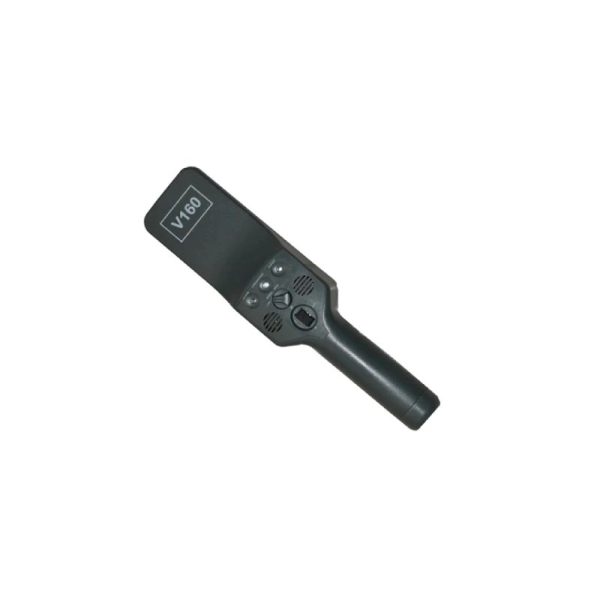
To mitigate this risk, food companies are increasingly turning to detection technologies that provide multiple layers of defense. One of the most practical, efficient, and cost-effective of these tools is the handheld metal detector for food industry applications. These portable, high-precision devices empower quality assurance teams to perform immediate, focused inspections, whether they’re verifying a product flagged by an in-line system or conducting random sample checks during production.
This comprehensive guide explores the role of handheld metal detectors in food safety, how they work, the key features they must have to be food-industry compliant, and how they enhance operational efficiency. We’ll also highlight why Uniqscan’s range of metal detection devices is becoming a trusted choice for food manufacturers across the globe.
Why Metal Detection Matters in the Food Industry
The Risk of Metal Contaminants
Contaminants can enter food products in several ways, including:
- Broken machinery components (e.g., blades, screens, fasteners)
- Processing equipment wear and tear
- Contaminated raw materials
- Maintenance tools accidentally left on production lines
Even trace amounts of metal, such as a sliver of stainless steel or an iron particle, can damage consumer health, trigger recalls, and lead to costly lawsuits.
The Cost of Failure
Food safety failures have significant consequences:
- Financial Losses: Recalls, production downtime, and legal fees.
- Brand Reputation: Public mistrust and damage to brand equity.
- Regulatory Actions: Fines and potential shutdowns by authorities.
- Lost Sales: Retailer rejections or customer churn.
Investing in advanced detection tools like handheld metal detectors can prevent these issues from escalating.
The Role of Handheld Metal Detectors in Food Safety
While in-line detectors are the first line of defense, handheld metal detectors play a specialized, targeted role in food quality control. Here are key areas where they prove indispensable:
- Secondary Screening of Rejected Items
When an in-line metal detector identifies a contaminated product, a handheld device allows operators to isolate and identify the exact point of contamination. This helps prevent unnecessary disposal of uncontaminated goods, saving costs and minimizing waste.
- Random Quality Checks
Handheld detectors are ideal for conducting spot checks on samples from each batch, carton, or pallet, especially when full scans aren’t feasible.
- Inspection of Packaged Goods
Some materials, like foil or plastic, may interfere with conveyor-based detection. In such cases, handheld scanners can provide focused inspections, ensuring product safety without unpackaging.
- Checking Incoming Raw Materials
Before ingredients enter the production line, handheld metal detectors can scan sacks, barrels, or bulk containers for possible contaminants, helping to avoid costly contamination downstream.
- Warehouse Spot Checks
Products stored in distribution centers or ready for dispatch can be inspected quickly with a handheld unit, providing a final checkpoint for metal-free assurance.
How Hand-Held Metal Detectors Work
Handheld metal detectors function by generating a low-frequency electromagnetic field. When the detector passes near a metallic object, the magnetic field is disrupted, causing an alert. These devices are highly sensitive and capable of detecting a wide range of metals:
- Ferrous Metals: Iron, steel, which are highly magnetic.
- Non-Ferrous Metals: Aluminum, brass, copper, which are conductive but non-magnetic.
- Stainless Steel: Typically, the hardest to detect due to low magnetic permeability and conductivity.
Food-grade detectors are designed for precision, ensuring even small pieces of broken stainless steel (as small as 0.3 mm) are detected.
What Makes a Hand-Held Metal Detector Food-Safe?
To ensure compliance with food safety regulations, a handheld detector must meet certain criteria:
- High Sensitivity
The ability to detect minute particles is essential. Look for devices capable of identifying contaminants as small as 0.3 mm in stainless steel.
- Adjustable Sensitivity Levels
Food products and packaging materials vary. Having multiple sensitivity modes ensures the detector can be adapted to different scenarios without false alarms.
- Material Compatibility
The detector should not react unnecessarily to plastic, film, cardboard, or standard packaging. It must also be safe for occasional contact with food surfaces.
- Ergonomic Design
Lightweight and comfortable for operators, especially during long shifts. A handheld unit should be easy to grip and maneuver even in tight production spaces.
- Alarm Indicators
Visual, audible, and vibration alerts help ensure the operator notices detections in noisy or sensitive environments.
- Battery Efficiency
Long battery life (or rechargeable functionality) is essential for uninterrupted operation.
- Hygienic Build
Water-resistant or IP-rated devices allow for easy cleaning and sanitization to maintain hygiene standards in food production.
- Certifications
Look for certifications such as CE, FCC, RoHS, or compliance with ISO 22000 and HACCP protocols.
Advantages of Using Handheld Metal Detectors in Food Facilities
Portability
They can be moved easily between production lines or departments.
Versatility
They are effective for inspecting everything from raw materials to finished goods.
Low Operational Cost
No installation or complex integration required, just turn it on and use.
Quick Deployment
Ideal for emergencies, temporary setups, or mobile inspections.
Enhanced Accuracy
They can zero in on specific areas where in-line systems may not provide sufficient clarity.
Choosing the Right Hand-Held Metal Detector: What to Look For
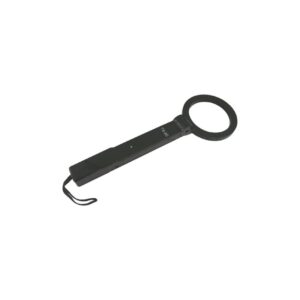
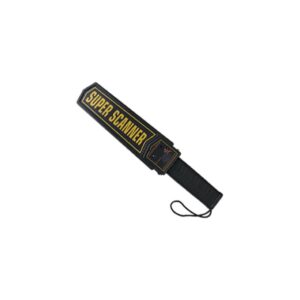
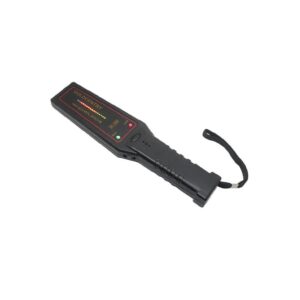
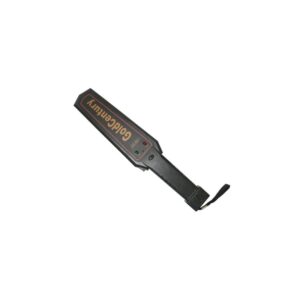
When investing in a handheld metal detector for food industry applications, consider the following checklist:
| Feature | Why It Matters |
| High Sensitivity | Detects even tiny metallic fragments |
| Food-Safe Materials | Avoids contamination or reactions |
| Adjustable Settings | Suits different inspection needs |
| Long Battery Life | Ensures continuous operation |
| Multiple Alert Modes | Enhances reliability in noisy environments |
| Lightweight Design | Improves operator comfort |
| Certifications | Meets global food safety regulations |
Why Choose Uniqscan?
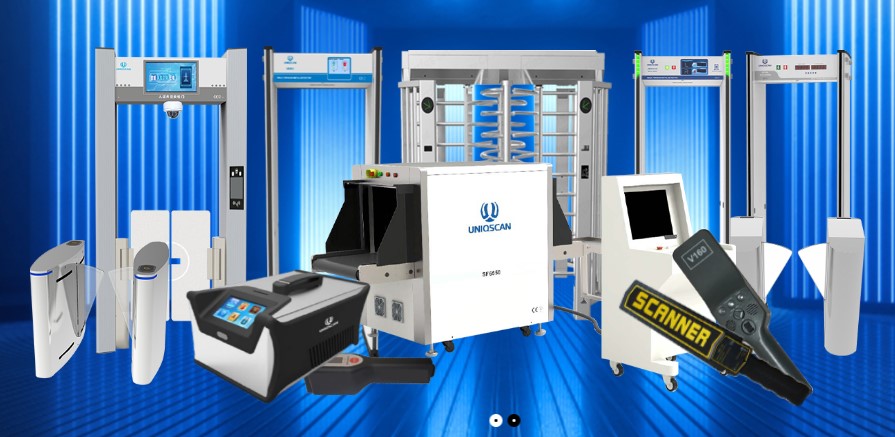
Uniqscan offers a range of handheld metal detector wands that meet the strict demands of the global food industry. Their food-safe models are designed to offer:
- Precise detection with multiple sensitivity levels
- Durable, IP-rated construction for hygiene compliance
- Ergonomic, lightweight build for comfortable daily use
- Alarm options include LED lights, buzzers, and vibration
- Rechargeable battery options for eco-friendliness
- Full compliance with CE, FCC, RoHS, and ISO standards
Uniqscan’s detectors are used in food production facilities across the globe, helping manufacturers avoid costly recalls and maintain compliance with international standards.
Thoughts on Handheld Metal Detector for Food Industry
In today’s hyper-aware, regulation-heavy food landscape, metal detection is no longer optional; it’s an absolute requirement for any business aiming to maintain product quality, meet compliance standards, and protect both brand reputation and consumer safety. While in-line metal detectors do a great job at screening bulk quantities of food as they move along conveyor systems, they can’t always offer the precision and mobility needed for individual inspections. This is where the handheld metal detector for the food industry proves invaluable.
A good handheld device allows your team to conduct detailed inspections on demand, whether that’s rechecking flagged products, scanning packaging, inspecting incoming materials, or even conducting warehouse audits. The portability, precision, and affordability of these tools mean they offer a high return on investment, particularly when compared to the costs of product recalls, regulatory penalties, or customer lawsuits stemming from contamination.
By integrating a handheld metal detector into your quality control process, you’re not just adding a tool; you’re reinforcing a culture of proactive food safety. This device becomes part of your frontline defense, working alongside your team to ensure that only pure, contaminant-free food reaches the end consumer.
Uniqscan’s handheld metal detectors are specifically designed to meet the demands of food production environments. With features like multi-level sensitivity, food-safe design, extended battery life, and international certifications, Uniqscan provides the confidence and accuracy that quality assurance teams need. Whether you operate a small production line or manage a multinational food brand, Uniqscan offers handheld solutions that are as reliable as they are user-friendly.
Don’t wait for contamination to catch you off guard. Invest in a proven, professional-grade handheld metal detector and take control of your food safety processes today.
Protect your products. Safeguard your brand. Choose Uniqscan.
