



The first Liability Accounts three, assets, liabilities, and equity all go on the company balance sheet. The last two, revenues and expenses, show up on the income statement. Journal entry is the formal recording of financial transactions in the accounting system. Each journal entry consists of at least one debit and one credit, with the total debits equaling the total credits. Journal entries are used to update the general ledger accounts and form the foundation for financial statements. When you total the debits and credits in the general ledger at the end of the month, they balance out to zero.
Service Revenue
- Liability and capital accounts normally have credit balances.
- Whenever cash is received, the Cash account is debited (and another account is credited).
- Many sample transactions are presented and each will include T-accounts and the effect on a company’s trial balance.
- Perhaps you need help balancing your credits and debits on your income statement.
- A gain is measured by the proceeds from the sale minus the amount shown on the company’s books.
- A general ledger, often called the “GL,” is a core accounting tool businesses use to record and track all financial transactions.
Compare our business checking solutions to help you find the right checking account for you. The business provides $500 worth of consulting services, and the client promises to pay later. The term debit comes from the word debitum, meaning “what is due.” Credit is derived from creditum, defined as “something entrusted to another or a loan.” If you use credit cards, check the card issuer website frequently to review your activity.
- Accounting uses debits and credits instead of negative numbers.
- Debits and credits form the backbone of an effective bookkeeping system.
- The amount reported on the balance sheet is the amount that has not yet been used or expired as of the balance sheet date.
- He warned that you should not end a workday until your debits equal your credits.
HighRadius Named a Challenger In 2025 Gartner® Magic Quadrant™ for Financial Close and Consolidation Solutions

A business might issue a debit note in response to a received credit note. Mistakes (often related to interest charges or fees) in a sales, purchase, or loan invoice might prompt a company to issue a debit note to correct the error. The two sides of the account show the pluses and minuses in the account.
Double-entry bookkeeping
Debits and credits are terms used debits and credits accounting by bookkeepers and accountants when recording transactions in the accounting records. The amount in every transaction must be entered in one account as a debit (left side of the account) and in another account as a credit (right side of the account). This double-entry system provides accuracy in the accounting records and financial statements.
Debits always increase an account, and credits always decrease it 🔗
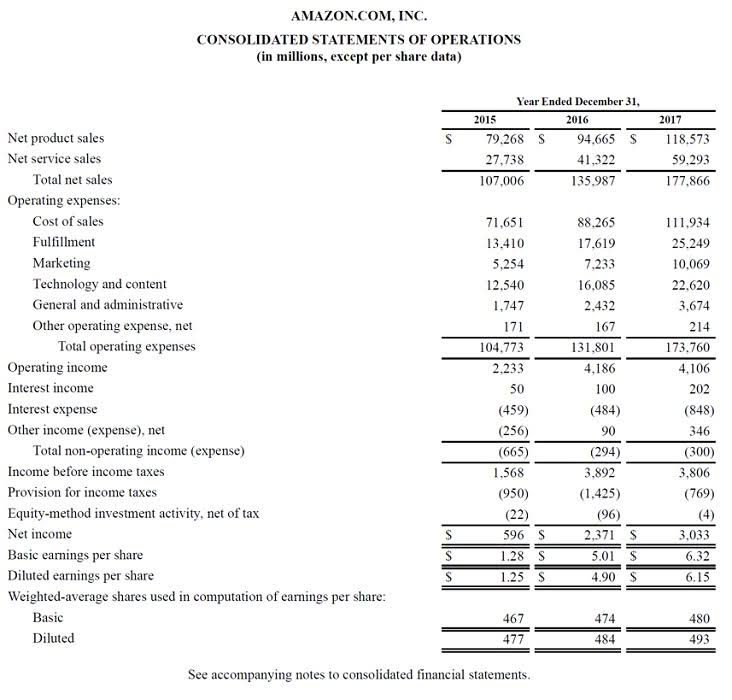
For all other accounts—liability, equity, and revenue—credits cause an increase. Focus on what each one increases to make it easier to recall. This system uses double-entry bookkeeping, meaning every transaction requires both a debit and credit entry.
By mastering the concepts outlined in this guide, businesses can effectively record transactions, analyze financial performance, and make informed decisions. This means that asset accounts with a positive balance are always reported on the left side of a T-Account. If an account type isn’t represented in DEALER, it increases with credits. This includes liabilities, equity accounts, and revenue accounts. A debit records financial information on the left side of each account.

Accordingly, Sage does not provide advice per the information included. These articles and related content is not a substitute for the guidance of a lawyer (and especially for questions related to GDPR), tax, or compliance professional. When in doubt, please consult your lawyer tax, or compliance professional for counsel. This article and related content is provided on an” as is” basis. Sage makes no representations or warranties of any kind, express or implied, about the completeness or accuracy of this https://www.bookstime.com/ article and related content.
